20 November 2026
Planning a Trip to Hatta Mountain Dubai: What to Know Before You Go
Presented by @hattamountaindubaiinsight
Hatta, a rugged enclave in the Hajar Mountains, offers a distinct change of pace from Dubai's coastal cityscape. The drive itself, winding eastward through desert plains and then into rocky terrain, sets the tone for a day that feels far removed from the usual itinerary. Whether you are drawn by the turquoise waters of Hatta Dam, the heritage sites, or the mountain bike trails, a little preparation goes a long way toward making the visit smooth and enjoyable.
Because Hatta sits roughly 130 kilometres from central Dubai, the journey time and the area's own layout shape how you plan the day. The region has several distinct zones - the dam, the heritage village, the wadi hub, and surrounding hill parks - and they are not all within walking distance of each other. Understanding the geography, the entry requirements, and the seasonal conditions helps you avoid common frustrations and make the most of your time there.
Step 1: Pick the Right Season and Time of Day
The climate in Hatta differs noticeably from coastal Dubai. Summer temperatures can be intense, especially in exposed areas around the dam and the bike trails. Winter, from November to March, is the most comfortable period, with daytime temperatures often in the low 20s Celsius. Spring and autumn can also work, but midday heat can still be strong.
If you visit between June and September, aim to arrive early in the morning or late in the afternoon. The dam area and the wadi hub have limited shade, so the sun feels relentless by mid-afternoon. Many visitors find that a 7:00 AM start allows them to kayak or hike before the heat peaks, then retreat to a shaded spot or a cafe for the hottest hours. In cooler months, you have more flexibility, but weekends can get busy, especially at the kayak launch point and the heritage village.
Another factor is daylight. Hatta's mountain setting means the sun drops behind the ridges earlier than in the city. If you plan to hike or cycle, factor in that trails can become shadowy and cool by late afternoon. A good rule is to finish outdoor activities at least an hour before sunset.
Step 2: Decide Which Zones You Want to Visit
Hatta is not a single attraction; it is a collection of sites spread across a valley. Trying to see everything in one day can feel rushed. Instead, pick two or three zones that match your interests and plan around them.
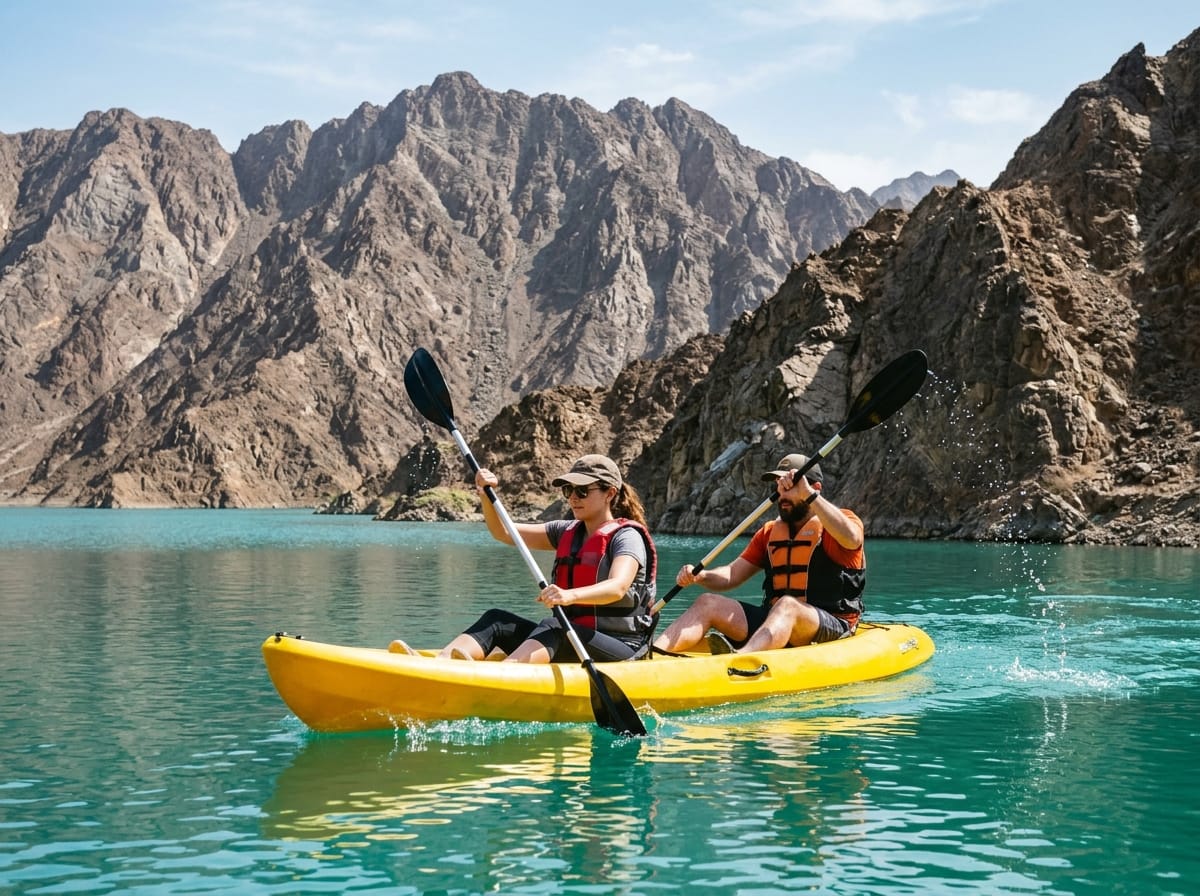
- Hatta Dam and Hatta Kayak: The dam's reservoir is the most photographed spot in the area. You can rent a kayak or a paddle boat and spend an hour or two on the calm, clear water. The launch area has basic facilities and parking. It is a good starting point because it is close to the main road and does not require a long walk.
- Hatta Heritage Village: A restored mountain settlement that shows traditional Emirati life. It includes old houses, a fort, a mosque, and a souk. The village is compact and takes about 45 minutes to an hour to walk through. It is best visited in the morning before the heat builds.
- Hatta Wadi Hub: An outdoor activity centre with biking, hiking, ziplining, and a small cafe. It is the base for the Hatta Mountain Bike Trail, which has routes for different skill levels. If you want to cycle, this is where you rent a bike and get trail maps.
- Hatta Hill Park and Hatta Fort: Hill Park is a terraced garden area with shaded seating, play areas, and views over the valley. Hatta Fort is nearby and offers a glimpse into the defensive architecture of the region. Both are quieter than the dam and good for a relaxed afternoon.
If you have limited time, the dam and the heritage village together cover the two most distinct experiences - water and culture. If you are active, the wadi hub and the bike trails will fill most of the day.
Step 3: Plan Your Transport and Parking
A private car is the most practical way to reach Hatta. The drive from central Dubai takes roughly 90 minutes via the E44 and E66 routes. The roads are well-maintained, but the last section through the mountains has curves and some elevation changes. There are no fuel stations in Hatta itself, so fill the tank before you leave the city.
Public transport options exist but are limited. A bus service from Dubai to Hatta runs on weekends and public holidays. It drops passengers near the wadi hub, which is a short taxi ride from the dam and the heritage village. If you use public transport, check the schedule in advance because the return trips may have long gaps.
Parking at the main sites is generally free and ample, except on public holidays when the lots fill up by late morning. The dam parking area is the busiest. If it is full, you can park at the wadi hub and walk or take a short taxi ride to the dam. Keep in mind that walking between the dam and the heritage village takes about 20 minutes on a roadside path; it is doable but not scenic.
For detailed logistics, including current road conditions and parking updates, the site hattamountaintourdubai.com provides practical information that matches what you will find on the ground. Checking it before you set off can save time and confusion.
Step 4: Pack Appropriately for the Environment
Hatta's terrain is rocky and uneven in many areas. Sturdy walking shoes with good grip make a noticeable difference, especially around the rock pools and the trails near the dam. Flip-flops or smooth-soled sandals can make walking uncomfortable and potentially unsafe on loose stone.
Sun protection is essential. The mountain sun reflects off the water and the pale rock, so you feel it from all sides. Bring a hat, sunglasses, and sunscreen with at least SPF 30. Reapply after kayaking or if you sweat. Water is equally important; carry at least one litre per person for a half-day outing. There are water stations at the wadi hub and the heritage village, but not at the dam itself.
If you plan to kayak or hike, a small dry bag or a backpack with a waterproof lining helps keep your phone and wallet safe. The kayaks are stable, but splashes are common. A change of clothes or a towel is useful if you get wet, especially in cooler months when the wind can feel chilly after a paddle.
Step 5: Understand Entry Fees and Reservations
Access to the main sites in Hatta is free. The dam, the heritage village, the hill park, and the fort do not charge an entry fee. However, activities like kayaking, bike rental, and ziplining have separate fees. These are managed by different operators, so you pay at each location.
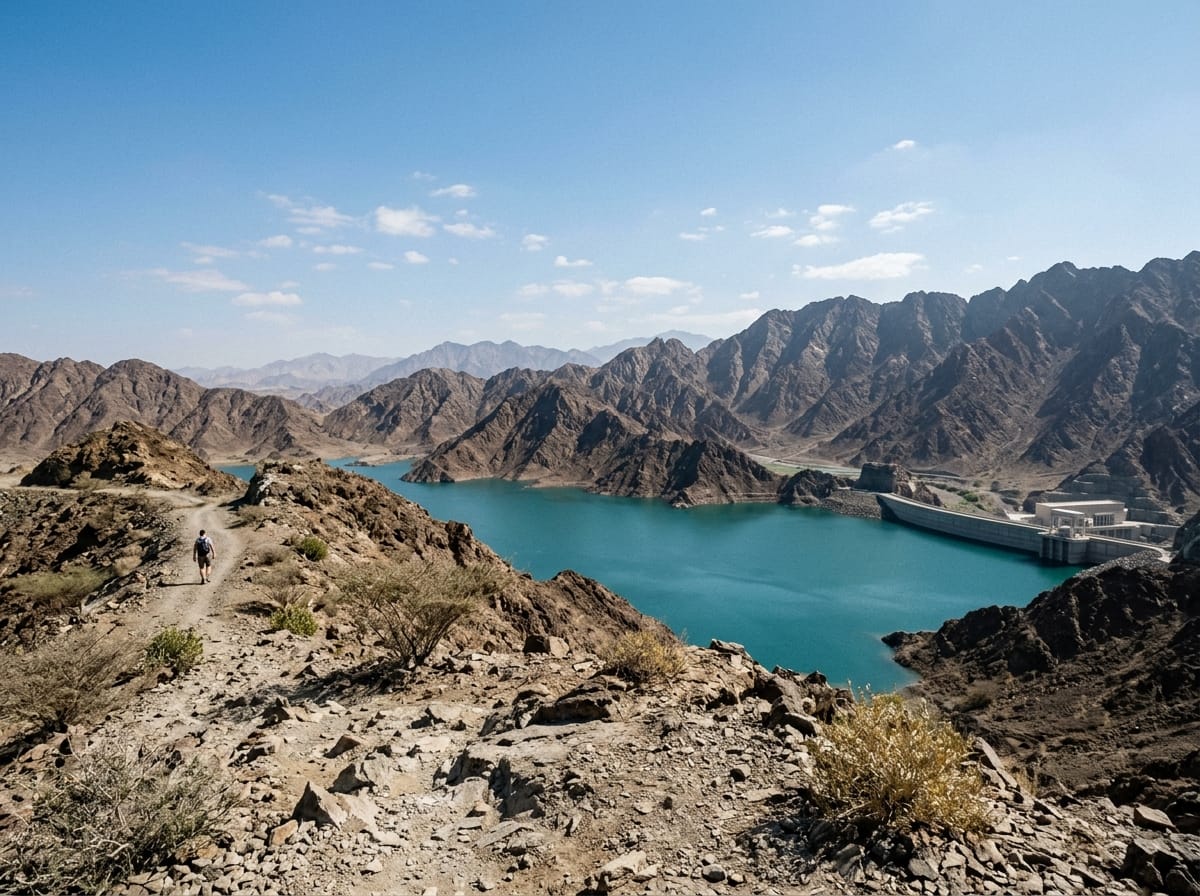
During peak periods - especially winter weekends and public holidays - kayak rentals and bike bookings can sell out by mid-morning. It is wise to arrive early or, if the operator offers it, book a slot in advance online. The same applies to the zipline at the wadi hub. Without a reservation, you risk waiting for hours or missing out altogether.
There are no ATMs in Hatta, and some smaller vendors may not accept cards. Bringing enough cash for activities, food, and souvenirs is a good idea. The cafes at the wadi hub and near the dam do take cards, but connectivity can be patchy.
Step 6: Allow for Flexible Timing
Even with a plan, things in Hatta move at a slower pace. The roads are winding, and distances between sites are longer than they appear on a map. A short drive from the dam to the heritage village can take ten minutes, but that includes finding parking and walking from the lot to the entrance.
Add buffer time for stops. The viewpoints along the road, the small souk near the heritage village, and the shaded rest areas all invite a pause. Rushing from one site to the next defeats the purpose of being in a mountain setting. Many visitors find that a full day from 8:00 AM to 4:00 PM gives enough time for two main activities plus a relaxed lunch.
If you are visiting with children, factor in rest breaks and shade. The hill park has a playground and shaded picnic areas, making it a good midday stop. The heritage village also has shaded walkways, but the dam has very little cover, so plan water activities for the cooler part of the day.
Step 7: Know What to Skip If Time Is Short
Not every attraction needs to be on your list. The Hatta rock pools, for example, require a short hike and are best visited after rainfall, which is rare in the region. In dry conditions, they can be underwhelming. If you are on a tight schedule, you can skip them without missing the core Hatta experience.
Similarly, the Hatta Fort is interesting but small. If you have already explored the heritage village, the fort adds little new information. It is worth a 15-minute stop if you are nearby, but not worth a separate trip across the valley.
The Hatta Mountain Bike Trail is excellent for cyclists, but if you are not an experienced rider on rocky terrain, the easier loops can still be challenging. Beginners should stick to the flat paths around the wadi hub rather than the actual trail. The scenery is similar, and you avoid the risk of a fall on uneven ground.
For a balanced first visit, stick to the dam, the heritage village, and one activity - either kayaking or a short hike. That combination gives you a taste of the water, the culture, and the landscape without feeling rushed. The site hattamountaintourdubai.com outlines these options clearly, so you can compare what fits your interests before you go.

Step 8: Respect the Environment and Local Rules
Hatta is a protected area in some parts, and littering is not just frowned upon - it carries fines. Take all rubbish with you, especially plastic bottles and food wrappers. The bins at the main sites fill quickly on busy days, so it is safer to carry waste out.
Swimming in the dam is not allowed, and the rules are enforced. Kayaking and paddle boating are permitted, but the water is used for irrigation, so swimming is restricted. Similarly, drones require permission from the local authorities; flying one without a permit can result in confiscation.
The mountain terrain is fragile. Stick to marked paths and trails. Walking off-trail damages the vegetation and can disturb wildlife, including the Arabian gazelle that sometimes appears near the wadi hub. If you are cycling, stay on the designated bike trails. The mountain bike routes are clearly marked, and leaving them can be dangerous for you and disruptive for others.
Finally, remember that Hatta is a residential area with local communities. Drive slowly through the villages, avoid honking unnecessarily, and be respectful of the quiet atmosphere. The charm of Hatta lies partly in its unhurried, traditional character. Treating it with care ensures it stays that way for everyone.